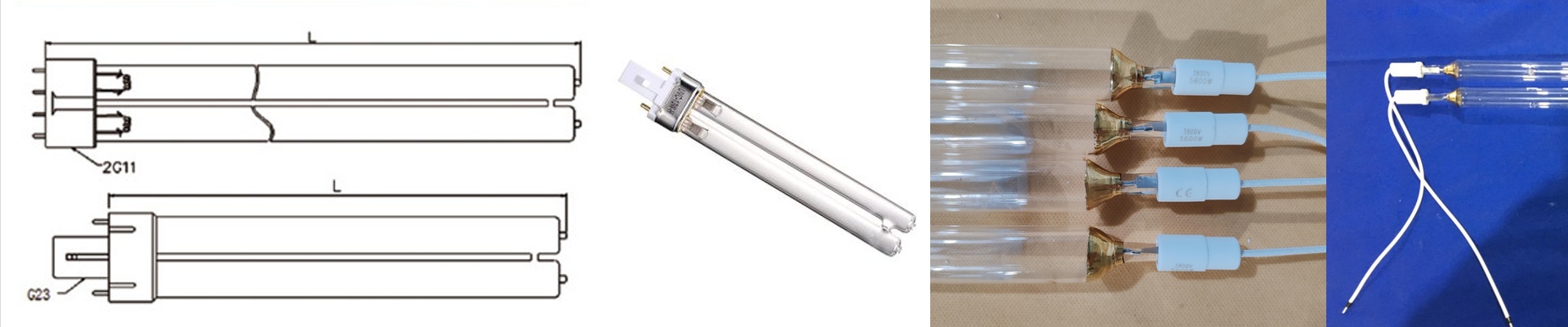
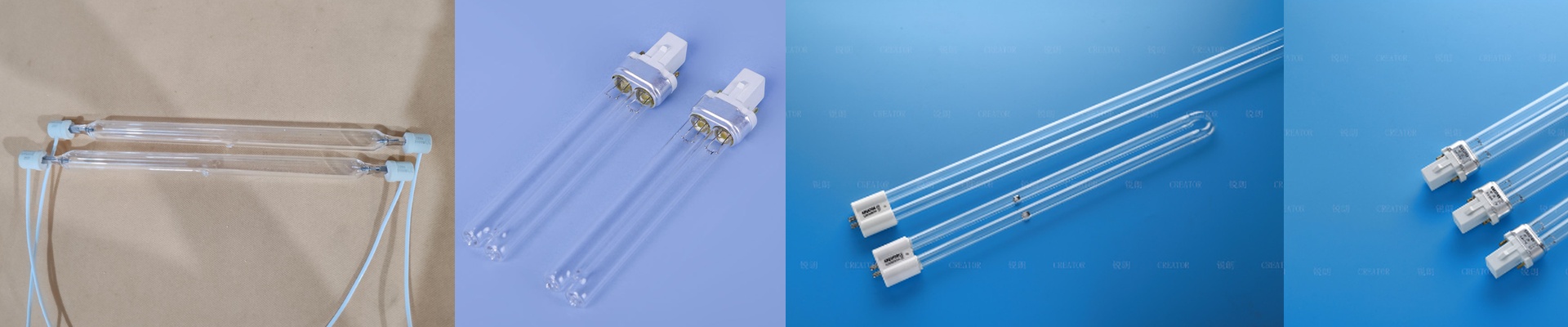
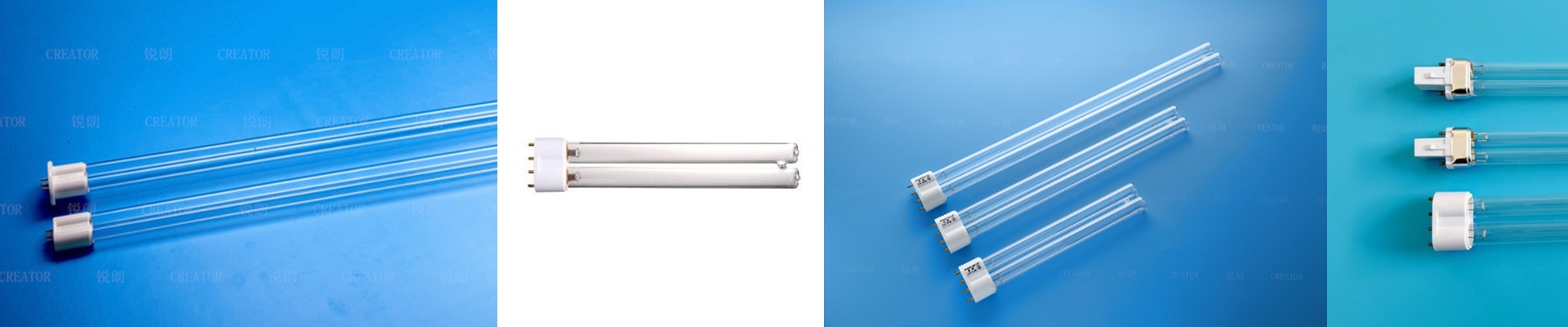
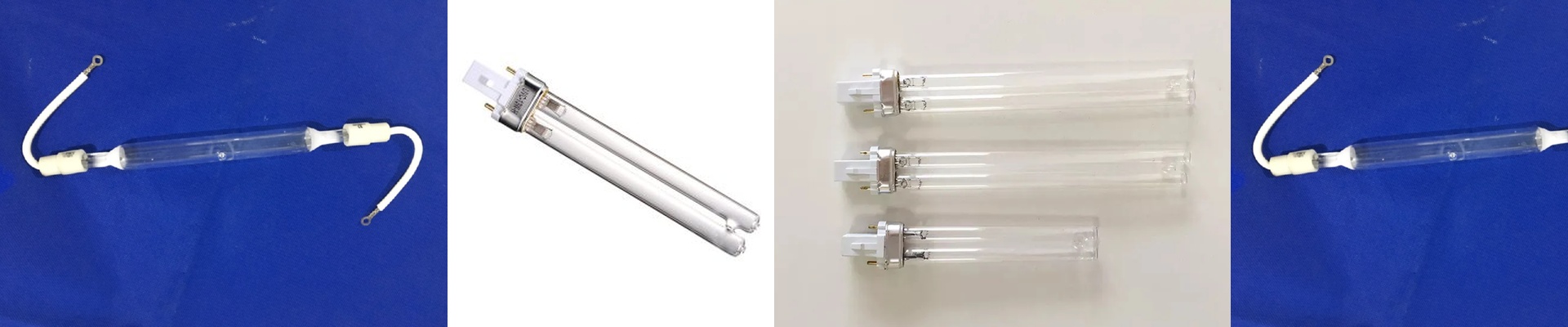
Getting the Spectrum Right: The 0.5% Challenge
Most UV lamp makers are okay with a bit of “wiggle room” in their spectral output. We aren’t. If you’re working with semiconductors or high-precision curing, that little bit of drift is a nightmare. It’s the difference between a perfect batch and a pile of ruined wafers or inconsistent polymerization. That’s why we spent our time obsessing over a 0.5% energy concentration tolerance.
The nitty-gritty of tightening the beam
Getting that window tight isn’t about just cranking up the power. It’s about where that energy actually lands on the nanometer scale. We spent a lot of time messing with the argon-mercury ratios and tweaking the internal pressure to shift the peak emission exactly where it needs to be. We also swapped out standard glass for high-purity synthetic quartz. Why? Because lower-grade glass eats your UV energy before it even leaves the lamp.
Now, about the heat…
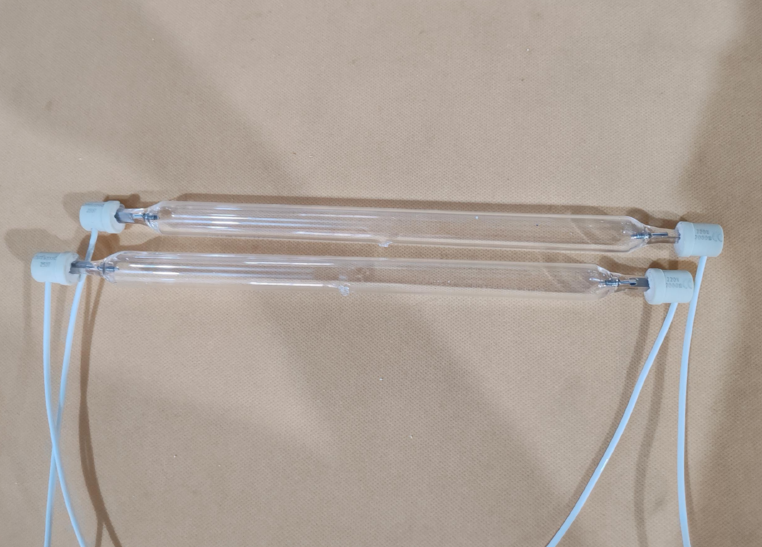
Here’s the catch: when you squeeze all that energy into a narrow band, the lamp envelope gets hot. Really hot. If you just toss these into a system with lazy airflow, you’re going to fry your electrodes way too soon. You’ll need to make sure your cooling fans can actually handle that heat density at the center of the arc. To help out, we beefed up the end-cap seals so the gas stays put, even when things get sweaty inside the tube.
Why this matters for 2026
Looking ahead to the 2026 market, automated lines are only getting more demanding. When you’ve got a multi-station curing array, you need every single lamp to behave exactly like the one next to it. It kills the “cold spots” and those annoying under-cured edges that slow everything down. The best part? These are drop-in replacements. As long as your ballast can handle the voltage for these precision arcs, they’ll slide right in. It basically takes the guesswork out of your line speed. You just set it and forget it.