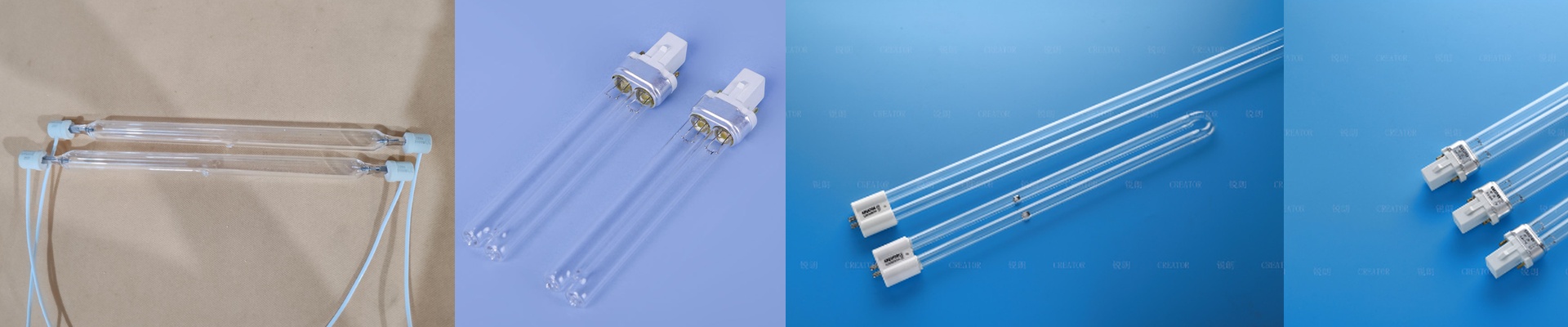
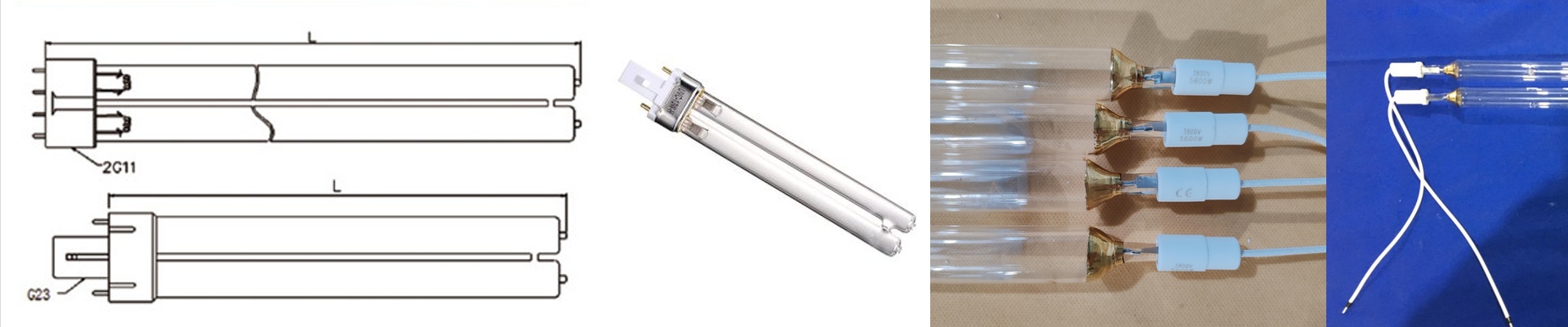
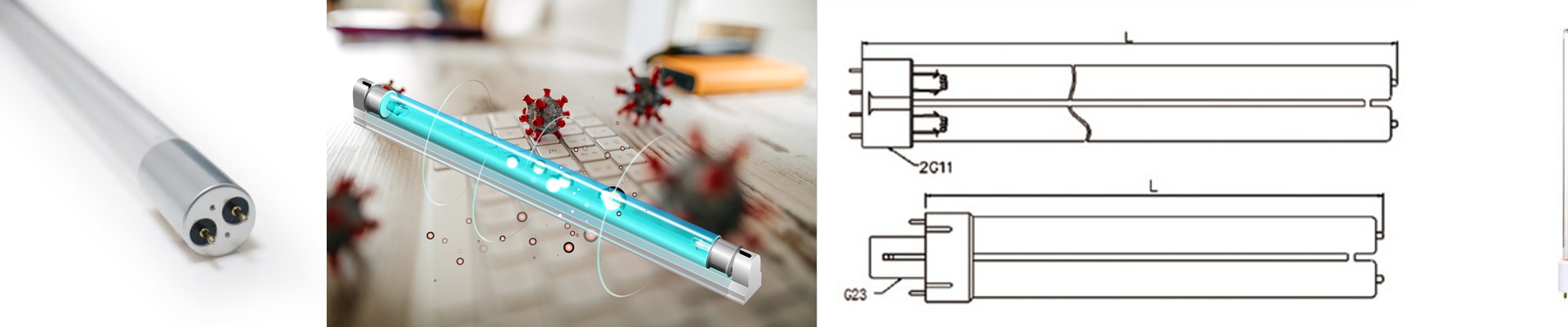
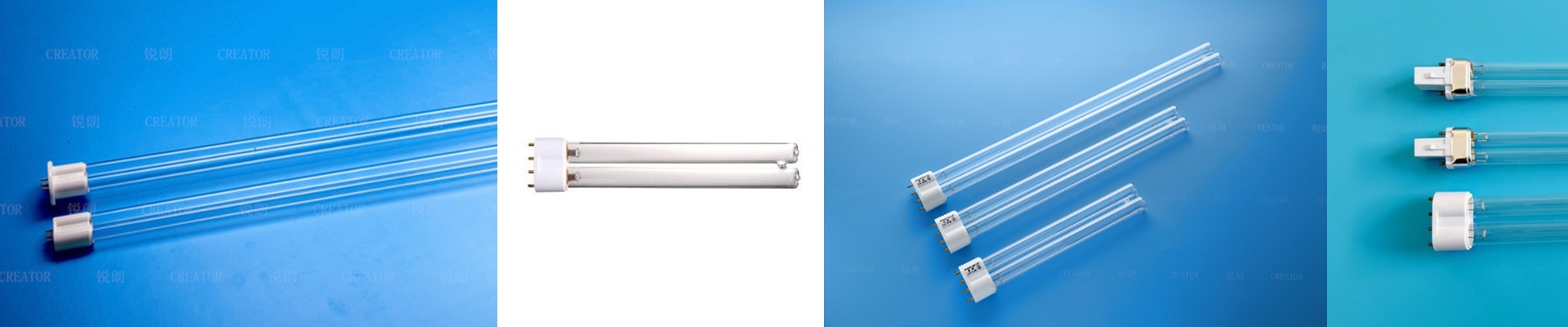
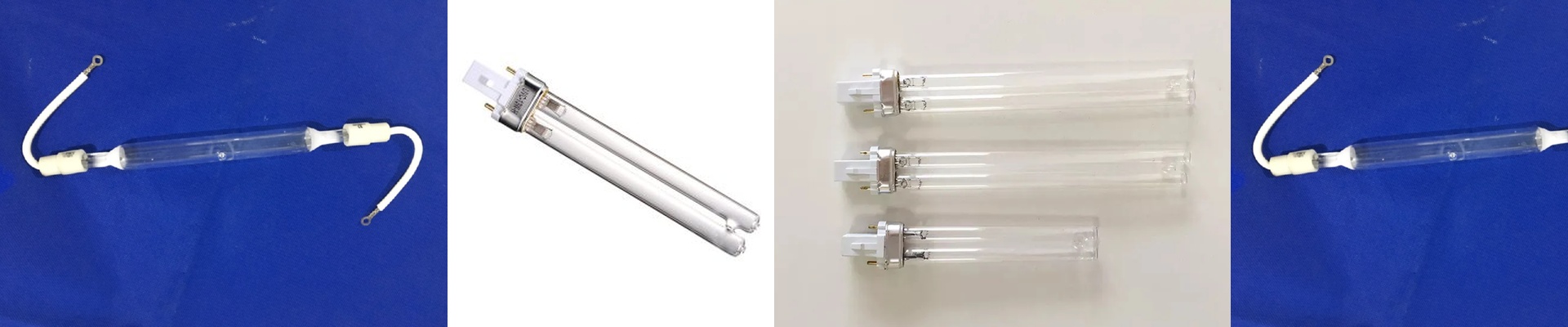
Getting the Most Out of Our 120W/cm Mercury UV Modules
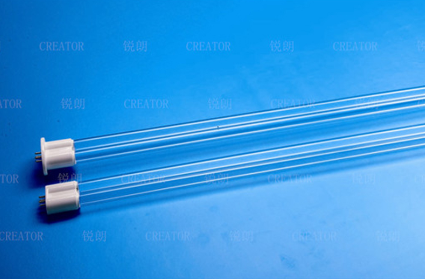
When we were at the 2026 Printing Exhibition, everyone kept asking us about one thing: power density. It makes sense. If you’re running high-speed curing lines, you’ve only got a few milliseconds to get that ink to set before the substrate is gone. There’s no room for error. Why 120W/cm? That number isn’t just something we pulled out of a hat. It’s what you actually need to get heavy-pigment inks to snap into place instantly. We stick with mercury-vapor because it gives you a broad spectrum. That means it hits the surface resins and the deeper ink layers all at once. But here’s the catch: when you cram that much power into a small space, things get hot. Fast. If the lamp overheats, the quartz envelope starts to go. To stop that from happening, we build our modules with reinforced cooling jackets. Just a heads-up—make sure your chiller can actually handle the heat load. If it can’t, your lamp life is going to tank. The Build We aren’t fans of “off-the-shelf” solutions. We custom-fit these modules to your specific machine chassis. We spend a lot of time on the electrical interface because the strike voltage has to be rock solid. If your power supply is shaky, the arc flickers. That leads to “wet spots” on your print, and nobody wants to deal with that. We also use high-purity fused quartz for the tubing. It lets more UV light through and keeps the energy from turning into wasted infrared heat. Real-World Use These modules are great for swapping out old, tired systems, but you have to be precise during the install. If the lamp is off-center by even a couple of millimeters, you’ll end up with a dead zone where the ink just doesn’t cure. To make it easier, we include the mounting brackets. They lock everything down so the UV intensity stays the same across the entire width of the web.