



The Real Deal on Building Your Own UV Brand: Mercury Lamp OEM
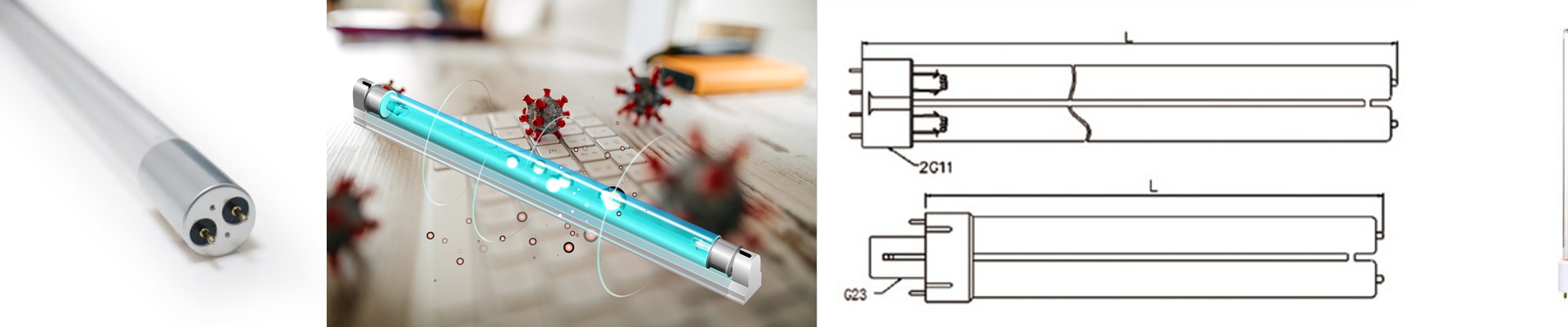
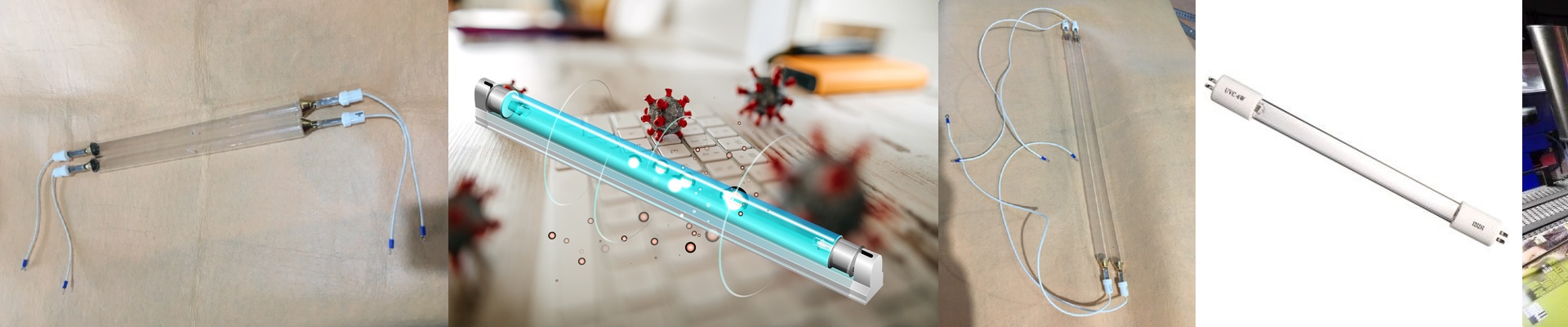
Let’s be honest. You aren’t just shopping for a lightbulb. You’re picking a part that basically decides if your entire production line runs like a dream or crawls to a halt. Whether you’re curing resins or killing germs, the speed of your whole operation depends on what happens inside that glass. When we team up for OEM work, we stop talking about “products” and start talking about the actual physics—how the gas behaves and how the quartz holds up. Getting the power right Mercury lamps are finicky. They need a very specific balance of wattage and voltage to keep that plasma arc steady. We spend a lot of time tweaking the electrode shapes and the gas mix to hit the exact output you’re looking for. But here’s the catch: if you try to cram too much power into a short tube to get more intensity, you’re going to cook the glass. If your ballast isn’t tuned perfectly to those specs, you’ll burn through your filaments way faster than you should. It’s a delicate balance. It’s all about the glass The tube isn’t just a container; it’s a filter. We use high-purity fused quartz because it lets the UV-C light through without blocking it. Depending on what you’re doing, we can add special coatings to shift the light to a specific wavelength. This is huge if you need to target a very specific resin or a certain type of bacteria. And we don’t overlook the small stuff, like the end-caps. If the connector doesn’t fit perfectly, you’ll get arcing. And arcing means the lamp dies. Fast. Growing your line This is where it gets exciting. We take the technical headache off your plate—all the spectral testing, the lifetime checks, and the heat mapping—so you can focus on the brand. You tell us the size and the power you need, and we make it happen. Just a heads-up: high-output lamps gethot. Really hot. If you pick a high-wattage tube but don’t have a solid cooling plan for the housing, the quartz will stress out and the lamp’s life will plummet. We’ll work with you to find the absolute limit of your hardware before we lock anything in. That way, you know exactly what you’re getting.