


Getting Your UV Wavelength Exactly Right
In our world, “close enough” is a recipe for disaster. If you’re working with specific photoinitiators, a tiny shift—even just 10nm—can be the difference between a perfect, rock-hard finish and a tacky, under-cured mess that ruins your whole batch. That’s why we spend so much time in the lab narrowing that spectral output. We make sure the light hits the exact spot your resin actually absorbs.
Scaling Up Without the Headache
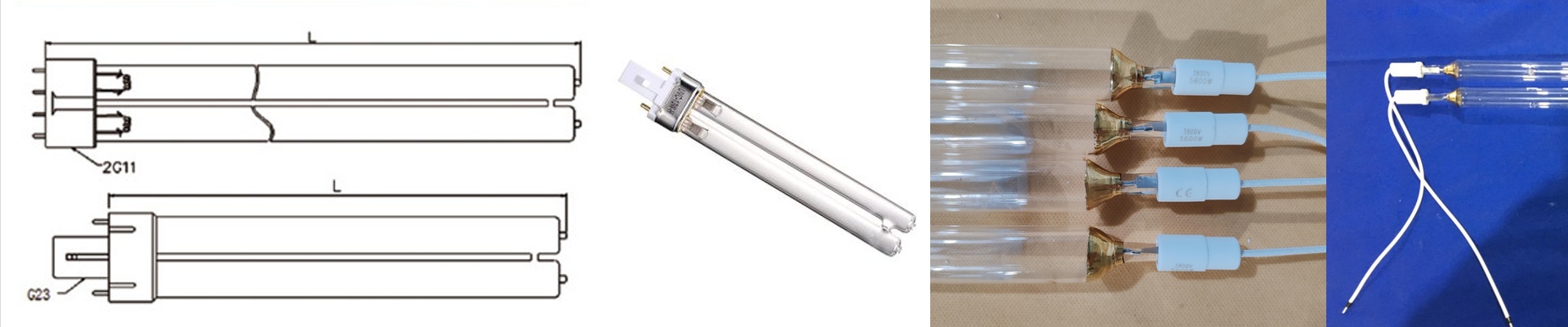
We went with a modular design for a simple reason: you shouldn’t have to rebuild your entire conveyor line just because you need more power. By grouping lamp modules together, you can dial in the energy density (mW/cm²) across your part. Need a longer curing zone? Just swap some modules. It keeps the edges from getting fried while making sure the center gets exactly the dose it needs.
The Trade-off: Precision vs. Heat
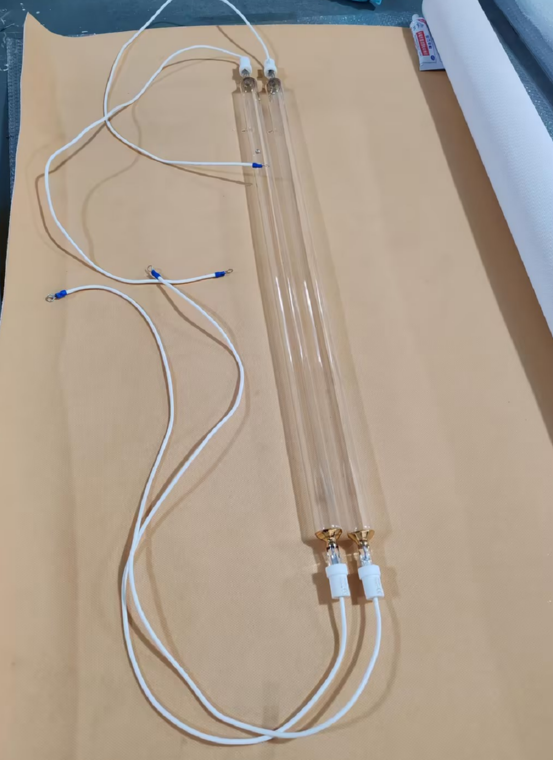
Hitting a specific wavelength isn’t magic; it’s about controlling the gas mix and the electrode shape inside the tube. We use high-purity quartz envelopes because we don’t want the glass soaking up the UV before it even hits your product. But here’s the catch. When you push for a narrower, more intense peak, things get hot. Really hot. If you don’t have your cooling fans or water jackets dialed in, you’re risking a cracked quartz tube. It’s a balancing act between raw precision and thermal stress.
Real-World Maintenance
Nobody wants their production line dead for four hours because a single bulb popped. It’s a nightmare. That’s why we made these sockets “plug and play.” You can pull a dead lamp and drop in a fresh one without touching the ballast or messing with the wiring. Plus, the footprints are standardized. If you decide to speed up your line, you don’t have to panic about the UV dose dropping. You just snap in another module and keep moving. Simple as that.