


Getting UV Sterilization Right for High-End Fabrics
When you’re working with high-end printed fabrics, you can’t just throw some lamps in a box and hope for the best. We build these systems to be precise. The goal is simple: lock in those inks and kill off any microbes without accidentally scorching the fabric.
Balancing Power and Speed
Here’s the thing about energy. To keep costs down without sacrificing quality, we lean hard into the UVC spectrum. We use high-intensity lamps tuned to specific wavelengths so the light actually gets deep into the fibers. But it’s a balancing act. You’ve got to match your wattage to your conveyor speed. Run the line too fast? The ink doesn’t cure. Too slow? You’re risking heat damage to the textile. It all comes down to your specific ink chemistry and how heavy your fabric is.
The Hardware Side of Things
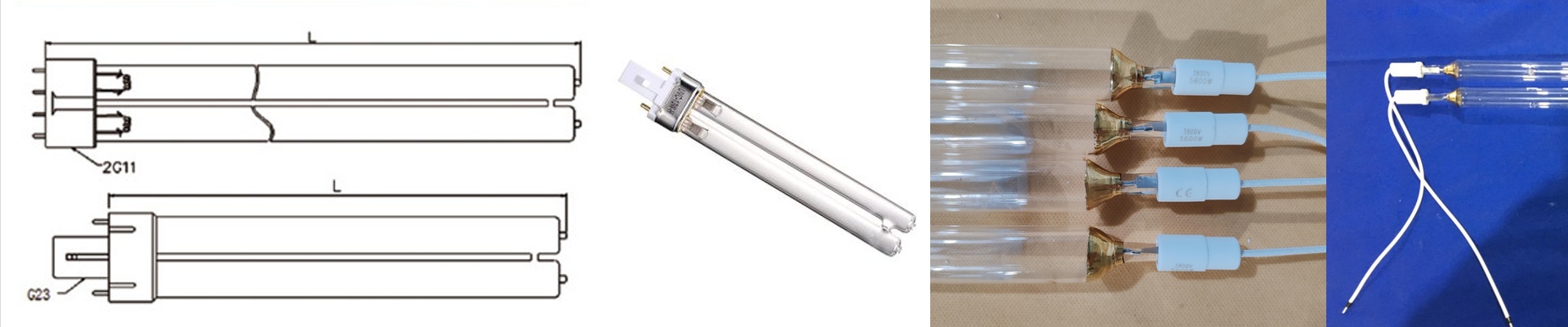
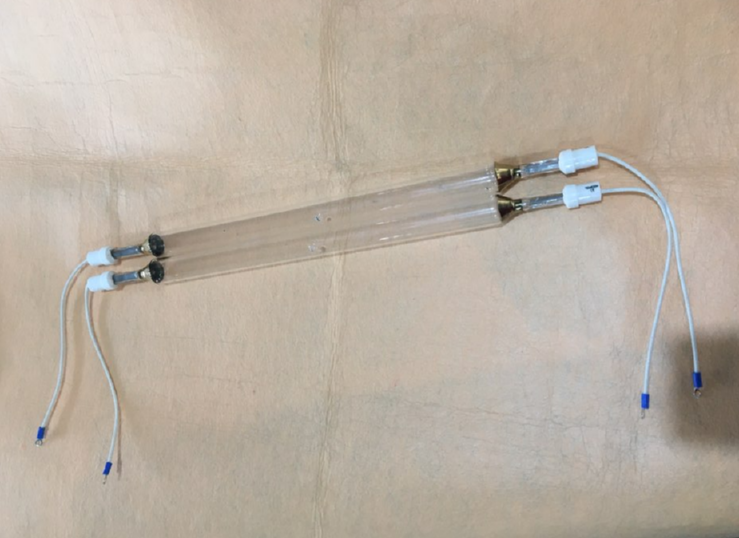
We use quartz glass for the envelopes because it lets the most UV light through. These tubes take a real beating from heat and chemical fumes, so we don’t cut corners on the glass grade. Everything is tucked into a shielded housing, too, because you definitely don’t want UV light leaking into the shop. One thing to watch out for: these high-output systems gethot. Even though we’re after sterilization, the lamps still dump a lot of waste heat into the air. You’ll need a solid extraction fan or a cooling manifold. If those lamps overheat, the UV output dips, and suddenly your sterilization isn’t doing its job.
Making it Work in the Shop
In a real printing environment, this system is your last line of defense for quality. We design the footprint to slide right into your existing drying line. If you’re still using those old, power-hungry mercury systems, this is a pretty easy swap. Plus, we’ve tweaked the reflector geometry to push the energy onto the fabric instead of wasting it on the machine frame. It’s a small change that makes a big difference in your electricity bill per meter of fabric.