



Getting the Most Out of Your UV Lamps
Most of the UV lamps you’ll find from wholesalers are kind of “lazy.” They throw out a broad spectrum of light, which sounds great until you realize most of that energy is just wasting away. If you’re doing high-precision curing or sterilization, you don’t need a wide spray of light—you need a laser-focused hit. We spent a lot of time in R&D trying to fix this. We managed to tighten that window down to a 0.5% spectral energy concentration. In plain English? We packed the photons into a much tighter band. You get way more intensity hitting your target without having to crank up the power bill.
How we actually do it
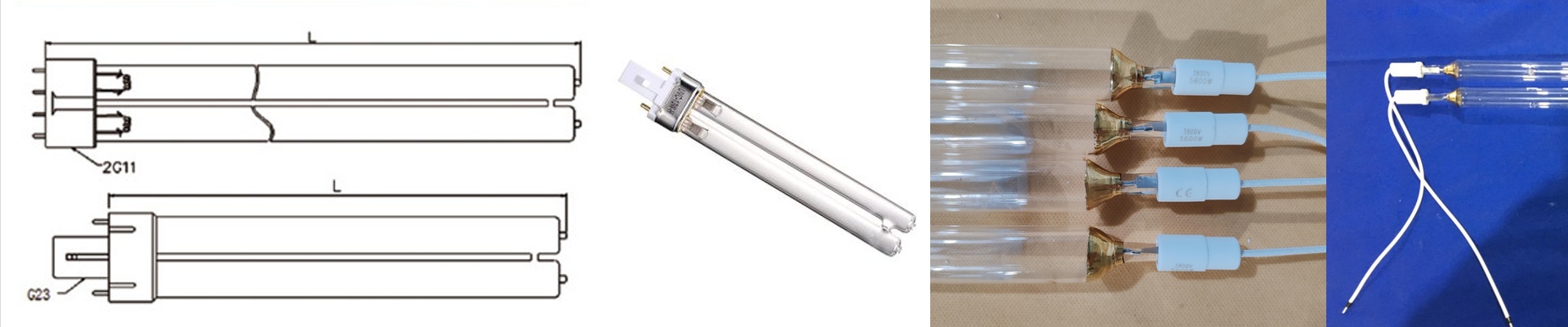
It really comes down to the ingredients. If the gas mixture is off or the quartz envelope is cheap, the whole thing fails. We use high-grade synthetic quartz because standard glass tends to soak up the UV light before it even leaves the tube. If there are impurities in the glass, your energy leaks and the spectrum shifts. We also obsess over the electrode materials. Why? Because “sputtering” is a nightmare. It clouds the tube over time and kills your output. We stopped that from happening.
The trade-off: Heat
Here is the catch. When you squeeze all that energy into a tiny 0.5% band, things get hot. Fast. You’ll notice your cure times drop significantly—which is the goal—but your quartz tube surface temperature is going to spike. You can’t just slide these into a generic housing and hope for the best. You’ll need cooling fans or water-jackets that can actually handle the thermal load of a concentrated beam. If you don’t, you’re looking at a warped reflector.
Making it work in your shop
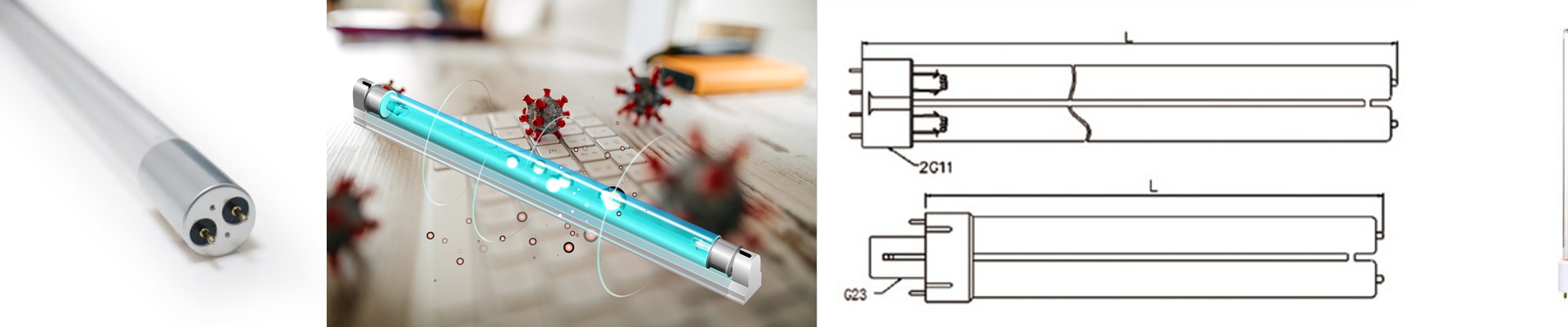
We didn’t want to build something that required you to rebuild your entire factory. Whether you’re running a PCB curing station or a PET blowing line, these are designed to be drop-in replacements. We kept the electrical connectors standard, so you can just wire them into your existing ballast and get to work. Sure, we traded off some of the total brightness to get this level of precision. But for anyone who actually knows their way around an engineering bay, a lamp that hits the exact wavelength you need is worth a thousand “bright” lamps.